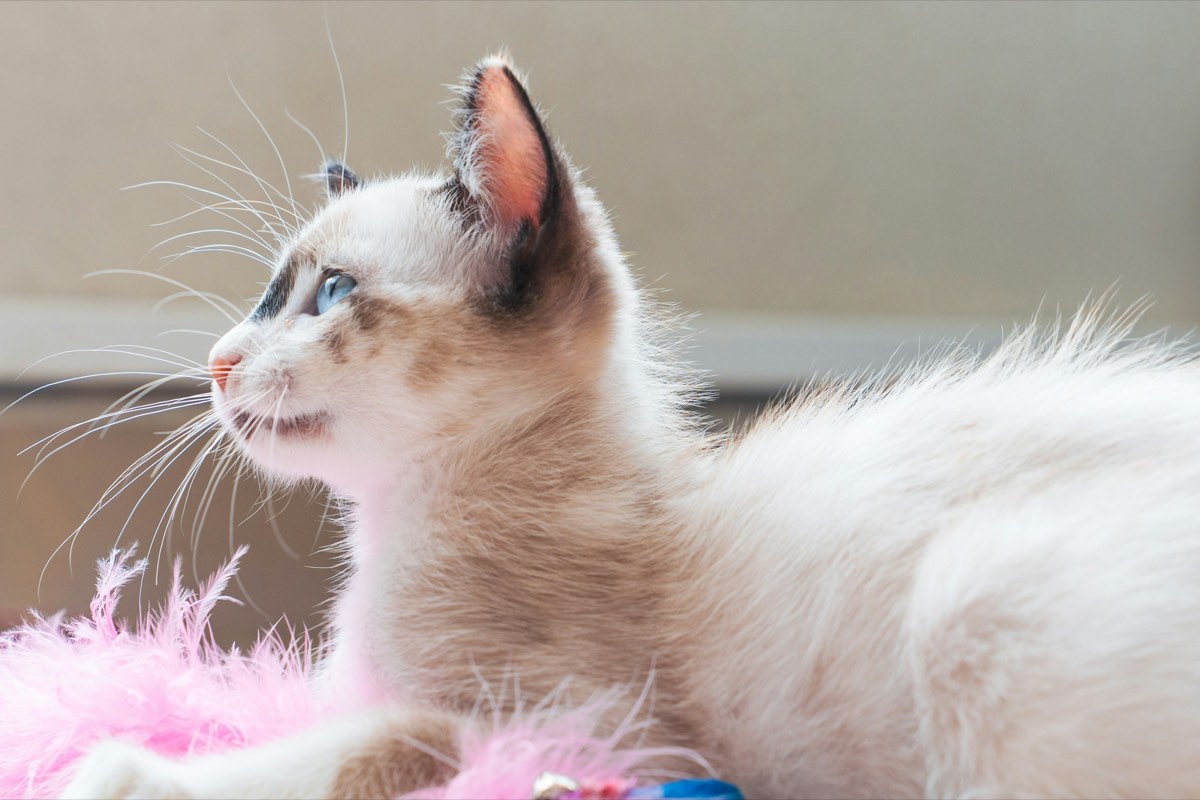
Cats are good at appearing fine. In the wild, an animal that looks unwell becomes a target, so hiding discomfort is a survival instinct rather than stubbornness. By the time a cat looks obviously sick, a problem may already have been developing for a while.
Subtle changes worth calling about
None of these is a diagnosis on its own, and most have more than one possible cause. But each is a reason to have your cat examined rather than wait and see:
- Eating less, or suddenly asking for more food
- Drinking noticeably more water
- Weight loss you can feel along the spine or ribs
- Hiding in new places, or avoiding family members
- Grooming less, or grooming one spot obsessively
- Missing the litter tray, or straining in it
- Bad breath, drooling, or eating on one side of the mouth
- Being stiff on waking, or no longer jumping onto furniture
The weight change you cannot see
Because most cats are long-haired or simply fluffy, gradual weight loss is easy to miss at home. A scale at every visit turns a vague impression into a number we can compare, which is often the first solid clue that something has changed.
What to do next
Write down what you have noticed and when it started — a phone note is fine. Bring that with you. Observations from the person who feeds and lives with the cat are genuinely diagnostic, often more so than a single snapshot in an exam room.
If any of the changes above are new or ongoing, please get your cat seen. Early is much easier to work with than late.